







Search Results for: Java Region

A Comprehensive Analysis of Indonesian Java Coffee: Are Production Regions, Varieties, and the Java Variety Actually the Same Thing?
The word Java actually encompasses three different references in the coffee world: it can be an Indonesian growing region, the name of a coffee variety in the cup, or used as a broader umbrella term. This article, from the perspective of Front Street, first introduces the geography and historical background of Java Island as Indonesia's second-largest coffee-producing region, then traces back to the Dutch introduction of Typica to Java and the later shift from Arabica to Robusta. It then focuses on clarifying the true identity of the Java variety—it did not originate in Indonesia but is a local variety selected in Ethiopia and later introduced elsewhere—and distinguishes the physical differences between long-berry and short-berry Java. After reading, you will understand: the Java variety can be called Java coffee, but Java coffee is not necessarily the Java variety. [more…]
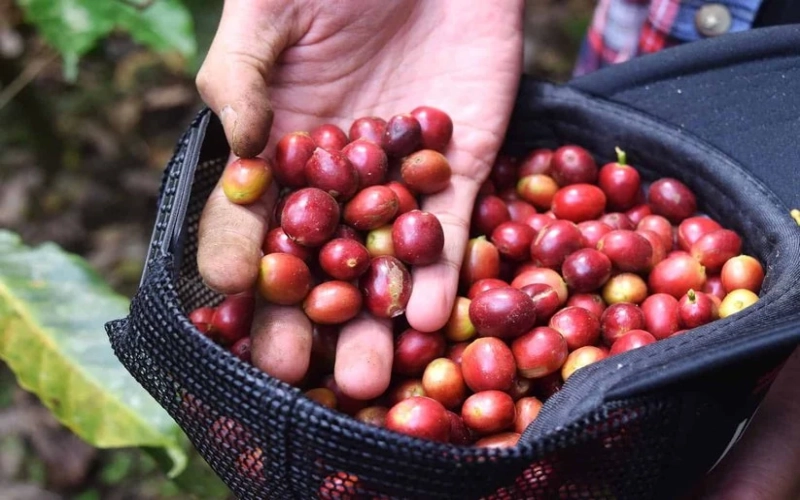
Indonesian Java Island Coffee Region and History: An Analysis of West Java Honey-Processed Java Flavor
When people mention Indonesian coffee, most first think of Sumatra, yet it is Java that is the starting point of this country's coffee history. This article will outline Java's growing regions and cultivation history, from its introduction during the Dutch colonial period and the impact of leaf rust, to the breeding and promotion of the S795 (Jember) variety, and will focus on the West Java Mount Tigula honey-processed beans offered by Front Street Coffee—which break away from the herbal and spicy notes commonly associated with Indonesian coffee, presenting instead the bright sweet-tartness of tropical fruit and a red-wine-like finish. Brewing parameters are included at the end for coffee lovers' reference. [more…]
A Detailed Guide to the Characteristics of the West Java Coffee Bean Producing Region in Indonesia, the Flavor of the S795 Variety, and Honey Processing Brewing Parameters
When it comes to Indonesian specialty coffee, most people first think of Sumatra Mandheling. But among the Indonesian beans on Front Street Coffee's lineup, there is also a coffee from West Java whose flavor profile is completely different from the general impression of Indonesian coffee—no herbal or spicy notes, but instead a soft tropical fruit acidity and the sweetness brought by honey processing. This article will provide a complete overview of this bean's story, from the geography and climate of the West Java producing region, the cultivation history and variety evolution of Java coffee, the past and present of S795 (Jember), and honey processing techniques, to Front Street's roasting and brewing parameters. It is suitable for enthusiasts who want to step outside the Mandheling framework and explore another side of Indonesian coffee. [more…]
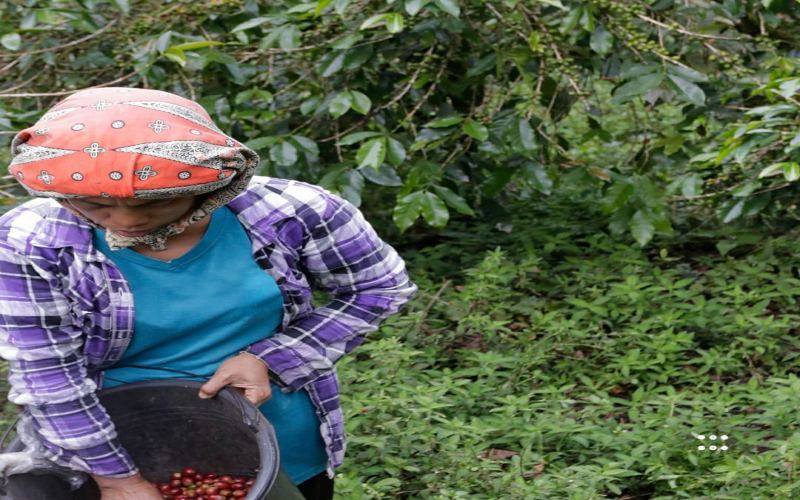
Exploring Indonesian Coffee Origins: A Comprehensive Analysis of Java Island's Coffee Cultivation History and Growing Region Distribution
Indonesia is the world's fourth-largest coffee producer, made up of more than seventeen thousand islands, with its coffee-growing regions divided by island. Java, as the country's earliest coffee-growing area, has a long history of coffee cultivation and exceptional natural conditions. This article will guide you through the origins and development of Indonesian coffee, outline the characteristics of the main island regions such as Sumatra and Java, and take a closer look at Java's geographical environment, cultivation distribution, and main varieties, while also sharing information on the Indonesian Lintong Mandheling everyday drinking beans recommended by Front Street Coffee. [more…]
The Past and Present of Indonesian West Java Coffee Beans: Variety Tracing, Planting History, and Honey Processing Flavor Analysis
When it comes to Indonesian specialty coffee, most people first think of Sumatra's Mandheling. Yet in West Java, there is another coffee bean with a completely different style—it lacks herbal and spice notes, instead presenting a soft tropical fruit acidity. This article will guide you through the geography and climate of the West Java producing region, the cultivation history of Java coffee from the Dutch colonial period to the ICCRI research institute, the classification of major Arabica varieties, and the details of the S795 (Jember) variety and honey processing method. This honey-processed bean from the Arimani Estate, offered by Front Street Coffee, perfectly showcases the delicate aroma, soft acidity, and refined mouthfeel characteristic of the Java producing region. Brewing parameters and flavor descriptions are included at the end for coffee enthusiasts' reference. [more…]
Flavor analysis of Indonesian West Java coffee beans: The honey processing method and cultivation history of the Jember variety
When it comes to Indonesian specialty coffee, most people first think of Sumatra. Yet coffee from West Java presents a completely different character—no heavy herbal and spicy notes, but instead a warm, gentle tropical fruit sweetness and acidity. This West Java bean, now available at Front Street Coffee, comes from the Arumanis Estate on Mount Malabar, and the variety is S795, known locally as Jember, processed using the honey method. This article will walk you through the terroir of the Java growing region, the winding history of coffee cultivation, the role of the ICCRI research institute, as well as the cupping performance of this bean and Front Street's brewing recommendations. [more…]
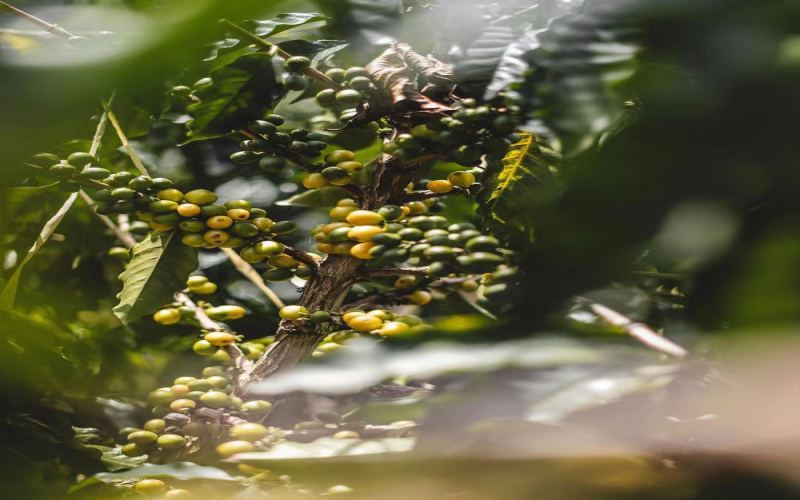
Bolivia Geisha Coffee Flavor Analysis: The Story of the Java Variety and the Rodriguez Family's Specialty Journey
Although Bolivia is hailed as an ideal place for coffee cultivation, its production has always been limited, yet its coffee impresses with rich sweetness and soft acidity. At the 2017 WBC, Japanese competitor Miki Suzuki won the world runner-up title with a Bolivian Geisha, bringing this origin into the spotlight. The Java variety, known as Geisha's cousin, likewise offers an elegant and distinctive flavor. Front Street Coffee once cupped a Cacao Natural Java from the Rodriguez family, which was sweet and tangy with a creamy smoothness. This article will guide you through the development history of Bolivian coffee, its cultivation models, and the distribution of its producing regions, as well as how the Rodriguez family is driving specialty coffee forward, and provide a detailed analysis of the roasting and brewing performance of this Waliki Estate Java coffee bean. [more…]
Bolivia Coffee Full Analysis: Specialty Bean Flavor Characteristics, Cultivation History, and the Rodriguez Family Geisha Java
Bolivia is celebrated as an ideal place for growing coffee, yet its annual output has long remained low, at one point even falling to the level of a minor coffee-producing country. And yet this land has given rise to a Geisha that won the favor of a World Barista Championship runner-up, as well as the Java variety known as Geisha's cousin. From the high-altitude terroir of the Yungas region, to the Tomorrow's Sun project promoted by the Rodriguez family, and on to innovative experiments with the cacao natural processing method, Bolivian coffee has carved out a winding yet fascinating path toward specialty coffee. Front Street Coffee will guide you through the origins, development history, varietal characteristics, and flavor profile of Bolivian coffee, with a focus on cupping a cacao natural Java coffee bean from the Valiki estate. [more…]
A Detailed Guide to Four Sumatra Specialty Coffees: Comparing the Flavor Differences Between Aged Java and Aged Mandheling
Sumatra is the core production region for Indonesian specialty coffee, and its coffee system is complex and diverse. This article systematically reviews the four most representative types of specialty coffee in the region—Mandheling, Golden Mandheling, Lake Tawar coffee, and Aged Mandheling—and focuses on comparing the flavor differences between Aged Java (Old Java Brown) and Aged Mandheling in terms of sweetness, body, and cleanliness. The article also introduces information on the production area, variety, and processing method of Front Street PWN Golden Mandheling, as well as the classic flavor characteristics of Front Street Mandheling, helping coffee enthusiasts gain a deeper understanding of the unique charm and tasting points of Sumatran specialty coffee. [more…]
The Road to Revival of Bolivian Coffee: Exploring the Flavors of Pedro Rodríguez, Geisha, and Java Varieties
In the landlocked South American country of Bolivia, the development of specialty coffee is inseparable from the Rodríguez family, especially Pedro Rodríguez, who is regarded by the industry as a key figure in Bolivia's coffee revival. From trendy brands like Intellectuals snapping it up year after year, to Japanese competitor Miki Suzuki winning the World Runner-Up title with Geisha from his estate, Bolivian coffee is returning to the spotlight with its unique terroir and exceptional quality. Front Street Coffee recently cupped the Cacao Natural Java produced by the Rodríguez family, as well as the Washed Java Typica from the Tomorrow's Sun project, and the flavors were stunning. This article will trace the ups and downs of Bolivian coffee history, the characteristics of its producing regions, the contributions of the Rodríguez family, and the varietal origins of Geisha and Java, giving you a comprehensive understanding of the coffee charm of this high-altitude producing country. [more…]
Exploring Bolivia's Valiki Estate Java Coffee Beans: Flavor Stories from a Niche Origin and the Cacao Natural Process
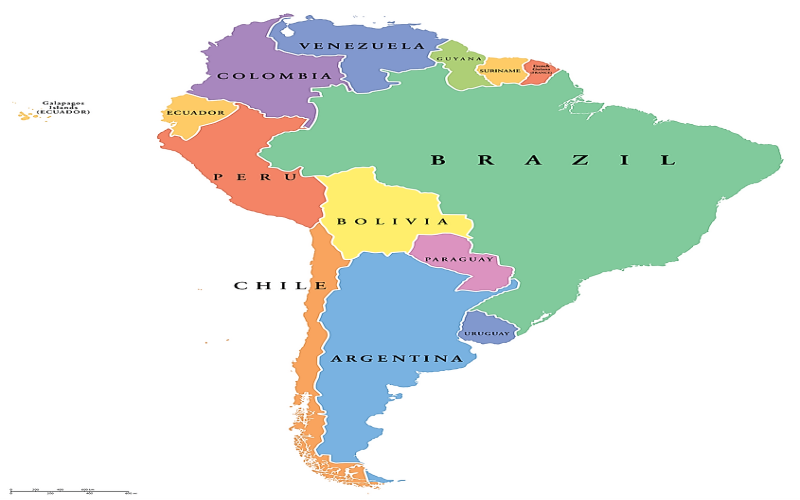
In the landscape of South American specialty coffee, Bolivia, though a niche-producing country, holds potential that cannot be overlooked. Front Street Coffee ventures deep into the La Paz region to bring you Java coffee beans from the Waliki Estate. This article will guide you through Bolivia's winding coffee history, the terroir of the Yungas Province, and the legendary journey of the Java variety from Ethiopia to Latin America. The estate employs a unique cacao sun-dried processing method, shaping a flavor interwoven with grape, nut, and honey notes through low-temperature slow drying. Front Street Coffee also shares roasting and brewing parameters to help you fully appreciate the charm of these beans. [more…]

Indonesian West Java Arumanis Coffee Beans: S795 Variety, Natural Honey Processing, and Tropical Fruit Flavor Analysis
Indonesian coffee has long been known for the rich, herbal, spicy flavor of Mandheling, but this West Java Amani coffee bean offered by Front Street Coffee breaks that stereotype. It comes from the Teguram Mountain region of West Java at an altitude of 1,400 to 1,600 meters, is of the S795 Jember variety, and is processed using the sun-dried honey method, presenting a soft tropical fruit acidity and complex sweetness. As a devoted lover of Indonesian coffee, Front Street Coffee, in addition to five Sumatran Mandhelings, specially introduced this bean with a completely different flavor profile. This article will comprehensively analyze its producing region background, variety origins, processing method, roasting curve, cupping performance, and brewing parameters, to introduce you to this Indonesian specialty coffee with prominent sweetness and a red wine character. [more…]
How Does Bolivian Coffee Taste? Analyzing the Yungas Region's Java Variety and Cocoa Natural Processing Characteristics
Bolivian coffee has always been a relatively obscure presence in the specialty coffee circle. High-altitude cultivation, rugged mountain road transport, and limited production make it difficult for it to enter the market on a large scale. But it is precisely this environment that creates the unique flavor expression of Bolivian coffee. The Yungas region, as the country's core coffee belt, has cultivation altitudes ranging from 1,500 to 2,500 meters, along with microclimates and fertile soil. This article will take you through the regional characteristics of Bolivian coffee, the origins of the Java variety, and the innovative cacao natural processing method of the Waliki Estate, while also sharing Front Street Coffee's roasting and brewing suggestions. [more…]
Flavor Analysis of Indonesian West Java Lamaní Coffee Beans: Honey-Processed S795 Variety Pour-Over Performance
Indonesian coffee has long been known for the rich, herbal flavors of Sumatra Mandheling, but the Mount Tilu growing region in West Java presents a completely different character. This West Java Amani coffee bean offered by Front Street Coffee is of the S795 Jember variety, sun-dried honey processed, and grown at an altitude of 1,400 to 1,600 meters. It lacks the spice and herbal notes of traditional Indonesian coffee, replaced instead by a soft tropical fruit sweetness and acidity, with a mango and jackfruit-like sweetness interwoven with a subtle red wine nuance. This article will present the unique personality of this bean in full, from Front Street Coffee's green bean information, growing region terroir, variety origins, processing method, and roasting curve to cupping and brewing parameters. [more…]
Analysis of the Flavor of Indonesian West Java Honey-Processed Coffee and Price Reference: From Arumanis to Front Street Coffee Roasting
In recent years, the West Java producing region of Indonesia has been making a name for itself with its honey processing method. Among them, Aromanis coffee beans, with their unique tropical fruit aromas and clear, sweet aftertaste, have overturned people's long-held impression of Indonesian coffee as bitter, rich, and heavy. This article starts with the details of the honey processing technique, sorts out the geographical and climatic advantages of West Java, and introduces information on the West Java honey-processed product launched by Front Street Coffee, along with brewing suggestions and market price references, providing coffee lovers with a complete guide to flavor and purchasing. [more…]
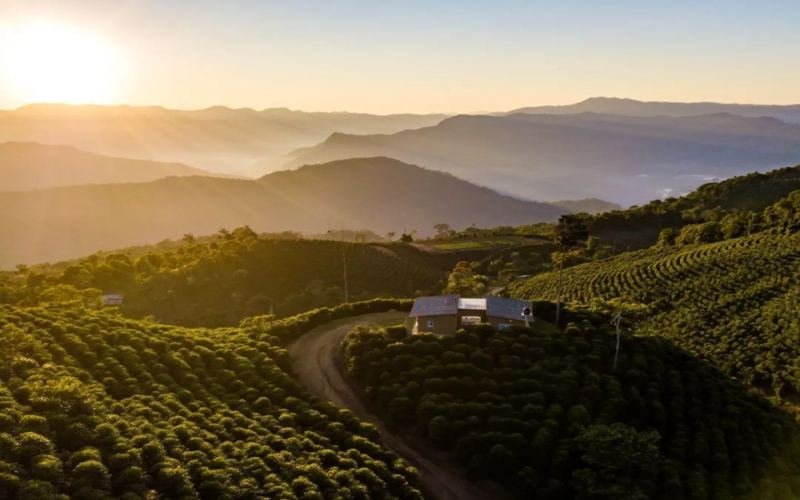
Planting Background, Development Trajectory, and Java Variety Flavor Analysis of Bolivian Coffee Regions
Although Bolivia is hailed as an ideal place for growing coffee, its production has always been limited. The high altitude and diverse terrain give the coffee rich sweetness and soft acidity. It was with Bolivian Geisha that Miki Suzuki, runner-up in the 2017 WBC, won attention. However, steep roads, the temptation of coca cultivation, and the blow of leaf rust in 2013 have repeatedly brought twists and turns to the coffee industry of this landlocked South American country. From the glory of the COE competition to the export difficulties amid political turmoil, the revival of Bolivian specialty coffee cannot be separated from the perseverance of the Rodriguez family. They promote the Tomorrow's Sun project and have cultivated distinctive bean varieties such as Coco Natural Java. This article will introduce Bolivia's coffee-producing regions, historical context, and variety flavors, and Front Street Coffee also shares its cupping experience. [more…]
A Complete Analysis of Bolivian Coffee Regions: From Java Variety to the Rodriguez Family's Specialty Journey
Although Bolivia is hailed as an ideal place for growing coffee, its production has always remained low, and it even once became a minor coffee country. Yet the coffee flavors nurtured on this land are stunning—rich sweetness and soft acidity make it stand out in the specialty coffee world. Front Street Coffee has introduced several Bolivian beans, among which the Java variety cultivated by the Rodriguez family is especially striking, known as Geisha's cousin. This article will guide you through the regional characteristics, development history, and cultivation models of Bolivian coffee, and provide an in-depth analysis of the Coco Natural Java coffee beans from Waliki Estate, from variety tracing to processing innovation, exploring the coffee charm of this landlocked South American country. [more…]
Indonesian West Java Arimani Honey Process Coffee Flavor Analysis and Pour-Over Parameter Guide
The honey-processed Armani coffee produced in West Java, Indonesia, breaks the stereotype of Indonesian coffee as heavy, bittersweet, and earthy with its distinctive tropical fruit aromas and a clean, sweet finish. This bean comes from the Mount Tilu growing region at an altitude of 1,400 to 1,600 meters, and the honey process preserves the sweet flavors of ripe fruit. This article will guide you through a comprehensive understanding of this elegant offering, which scores as high as 92 points in cupping, covering the principles of the honey process, the terroir of the West Java region, the flavor performance of the Armani bean variety, and the pour-over extraction parameters recommended by Front Street Coffee. [more…]
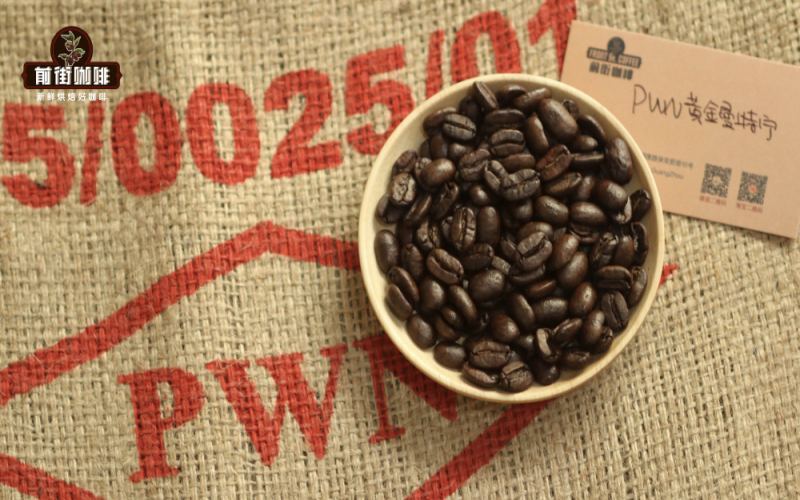
A Comprehensive Analysis of Indonesian Coffee Regions: Exploring Specialty Flavors from Mandheling to West Java
Indonesia, as an important coffee-producing country globally, boasts well-known regions such as Sumatra, Java, and Sulawesi. Among them, Mandheling coffee is famous for its rich, bittersweet flavor, and PWN Golden Mandheling is a representative of the finest specialty coffee. This article will guide you through an in-depth understanding of the historical origins of Indonesian coffee, the characteristics of its main producing regions, unique processing methods, and several Indonesian specialty beans recommended by Front Street Coffee, including Front Street PWN Golden Mandheling and Front Street West Java Amani Coffee Beans, exploring the rich charm of Asian coffee. [more…]
Bolivia Alpaca Estate Java Coffee Bean Flavor Analysis: A Complete Guide to High-Altitude Origin Characteristics and the Cacao Natural Process
Although Bolivia has limited coffee production, its high altitudes and unique microclimates produce specialty coffee hailed as the "taste of heaven." This article by Front Street Coffee focuses on the Java coffee beans from Alpaca Estate in the La Paz region, breaking down everything from the terroir of the origin, the origins of the variety, and the appearance of the green beans to the cocoa natural processing method, and, through cupping and pour-over testing, presents its pineapple, berry juice, caramel, and rich sweetness. It also compares the differences between Waliki Estate and Indonesian Java, helping coffee lovers fully understand the flavor logic and brewing key points of this rare bean variety. [more…]